Jam Jars, Sponge Wedges and Best in Show: Inside Cumbria's Baking Calendar
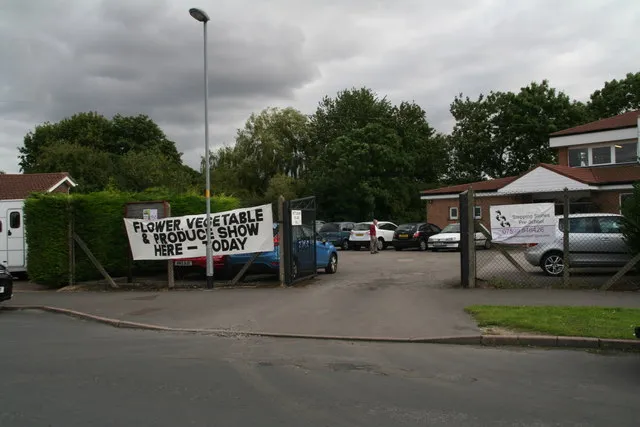
Photo: Chris , CC BY-SA 2.0, via Wikimedia Commons
Every August, in fields across Cumbria, a small miracle happens inside a marquee. Ordinary people who would never call themselves bakers hand over a plate of something they made in their own kitchen, then walk away and pretend not to care what the judge thinks.
They care enormously. That's the sport of it.
A calendar made of Saturdays
The village show season is one of the best-kept secrets in the county, and it doesn't advertise. It runs on hand-typed schedules pinned to village hall noticeboards and a copy passed between neighbours. The season usually opens in late July, peaks in August and rolls on into September as the shows climb further into the fells.
For a baker, this isn't a summer hobby. It's a year-long project. You decide in February which classes you're entering. You test a fruit cake recipe in March so it has time to mature properly. You make jam in June when the fruit is right and hope the set behaves. You buy a specific tin in the right size because the schedule says a 7-inch round and the judge will have a ruler.
What actually happens under canvas
A show's baking entries usually live in the produce or "industrial" tent — an odd, old-fashioned word that covers everything from sponges to chutney to a photograph of a sheep. Entries are staged the night before or early in the morning on numbered plates. Names are hidden. Then the tent closes and the judging begins.
By eleven, the doors open and the public files in to look at a hundred plates of cake with the slightly solemn air of people visiting a small museum. By two, half of it has been sold off in slices to raise funds for the village hall. That's the part visitors enjoy most, and honestly, so do we: show cake, sold in wedges on a paper plate, eaten standing up in a field, is one of the great British food experiences.
The classes that make a baker sweat
The Victoria sandwich. Two tins, same size, same amount of mixture. Equal quantities of butter, sugar, flour and eggs — most bakers here weigh their eggs in their shells and match everything to that. Raspberry jam, no icing sugar on the rim of the plate, and a filling that's generous without sliding out the side when the judge cuts it.
The fruit cake. This is the long game. A good entry has been fed for weeks and baked a month before the show. Judges look for a clean cut, an even distribution of fruit with none of it sunk to the bottom, and a top that hasn't domed and cracked like a biscuit.
Gingerbread. Cumbria takes this seriously. It can be a dark, treacly loaf or a tray of sticky squares, depending on the schedule, and the winner is usually the one with the most confident hand with the spices. Too timid and it tastes of brown sugar. Too much and it tastes of a chemist's.
Scones. The class everyone thinks is easy. It isn't. The judge will break one open and look at the crumb, and if it's heavy, you're out. Risen evenly, cheese or fruit as specified, no flour dusting on the top.
Jam and chutney. The wrinkle test is gospel. Judges will tip a jar and watch how slowly it moves, hold it to the light, and check the lid for stickiness. A jar with a smeared rim has already lost a mark before anyone has opened it.
The children's classes. A six-year-old's tray of fairy cakes, decorated with more enthusiasm than precision, will draw the biggest crowd of the day. This is non-negotiable.
What the judges are actually thinking
Schedules vary, but the notes we've heard repeated at shows around the county come down to a handful of things:
- Evenness. Two sponges that match in height, a level top, a straight-sided cut.
- Presentation. Clean plate edges, no stray crumbs, no drips. A judge eats with their eyes first and they are not shy about it.
- Correctness. If the schedule asks for a 7-inch round, a 9-inch round is disqualified however beautiful it is. Read the schedule twice.
- Flavour above all. After the scores are added up, the top two are often separated by a single bite. A plain cake that tastes cleanly of butter and vanilla will beat a fussy one that tastes of ambition.
- Restraint. The best-in-show trophies rarely go to the most decorated entry. They go to the one where nothing has gone wrong.
The quiet sport of it
What makes this compelling isn't the winning. It's that a village show is the only place in Britain where a retired schoolteacher, a farmer, a hedge fund escapee and a nine-year-old are judged on the same table, by the same standard, with the same ruler.
And it's quietly ruthless. People who lose a scone class by half a mark go home and practise for eleven months. There are bakers in these valleys who have been refining one recipe since the 1990s. Ask them about it at a show and they'll say "oh, it's just something I knock up", and then give you a forty-minute answer about oven temperatures.
Where to catch a slice of it around Keswick
Show dates move, so always check a schedule before you plan a day out, but this is roughly how the season runs in our corner of the county:
- Keswick Show — usually late August at Fitz Park. The big local one, with a full produce tent and a proper showground atmosphere.
- Borrowdale Show — early August at Rosthwaite. Fell races, hounds, and a produce tent with a fierce gingerbread class.
- Buttermere and Brackenthwaite Show — usually late August. Small, beautiful, and the cakes are every bit as competitive as the sheep.
- Loweswater Show — early September. Village-hall energy, excellent scones.
- Wasdale Head Show — September, at the head of the valley. Arguably the finest setting of any baking competition in England.
- Eskdale Show — autumn, down the coast side. Worth the drive for the fell racing alone.
If you're visiting from outside the county, the etiquette is simple: pay at the gate, buy a slice of something from the produce stall, and don't ask a competitor how they did until they've had a cup of tea.
Enter, or just eat
If you're local, or staying long enough to count as local, consider entering something. Shows actively want more entries, especially in the baking classes, and the standard is friendlier than it looks from outside. You will probably not win. You will come home with a comment card that says something devastating like "good flavour, slightly dry" and you will think about it for a year.
If you're just visiting, come for the day. Watch the fell runners come in, look at the plates of cake under the canvas, buy a wedge, sit on the grass. There's no other way to see a whole valley's worth of kitchens laid out in a row — and no better reminder that a proper bake is a small, serious, deeply Cumbrian thing.