String, Sticker, Small Rebellion: The Case for Slow Wrapping at a Keswick Sweet Counter
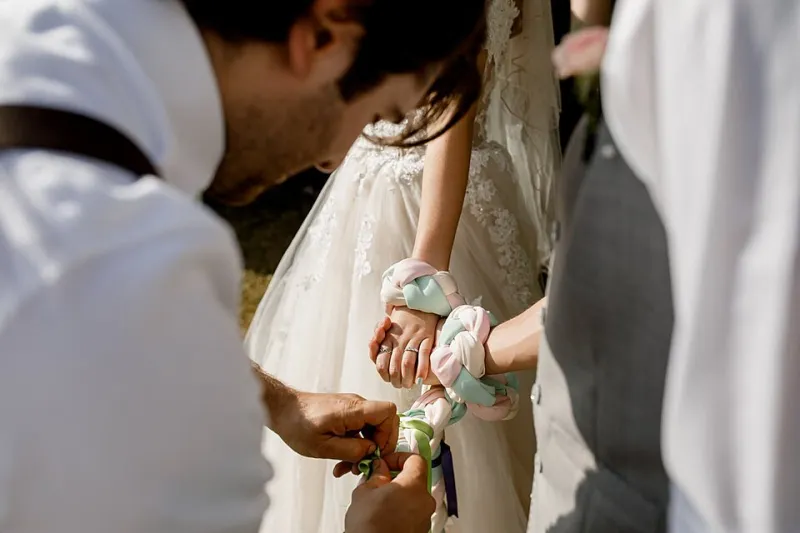
Photo: Damionmower, CC BY-SA 4.0, via Wikimedia Commons
There is a particular sound a sweet shop makes when it wraps a gift properly. It is not a loud sound. It is the rustle of greaseproof paper, the snip of string, the small press of a sticker onto kraft paper. It takes perhaps ninety seconds. It is not efficient. It is better than efficient.
At our counter in Keswick, we wrap a lot of gifts the slow way: paper bag, tissue or greaseproof, a card base if the bake is awkward, string tied by hand, a sticker with the name of the thing and the date it was made. No shrink wrap. No rigid plastic clamshell. No printed box that costs more than the fudge inside.
This is not nostalgia for its own sake. It is a practical choice, a Cumbrian choice, and a small rebellion against the way gifts are often packaged now.
The Problem with Plastic-First Gifting
Walk through any high street in November and you will see the same thing: gifts entombed in plastic. A single biscuit in a plastic tray, inside a plastic sleeve, inside a printed card box, inside a shrink-wrapped outer. It looks expensive. It feels anonymous. And then it goes in the bin.
Visitors come to Cumbria for the fells, the lakes, the wide skies and the sense that things are made on a human scale. It is odd, then, to buy a gift that is 80 per cent packaging and 20 per cent produce. A sweet shop can do better without making a sermon of it.
Paper is not perfect. It still has an impact. But it can be recycled, composted or reused. It can be tied with string that comes off in one piece. It can carry a handwritten label instead of a barcode. It feels like someone made a decision, not just a machine.
What Slow Wrapping Actually Means
Slow wrapping is not complicated. It is a set of small habits.
First, choose the right paper. Greaseproof paper goes next to the food. Kraft paper or plain tissue goes outside. A piece of card in the base of the bag stops a loaf cake from slumping. String holds it all together without tape.
Second, tie it once. Not tightly enough to crush a biscuit, but firmly enough that the bag feels secure. A simple bow or a double knot is fine. The string is part of the gift; it should look like a person tied it.
Third, label it. A sticker with the flavour, the date and a short note — ‘made in Keswick’, ‘eat within five days’, ‘keep cool’ — is more useful than a glossy brand tag. It also makes the gift feel personal. A handwritten sticker is not perfect. That is the point.
Wrapping the Awkward Bakes
Some bakes are easy to wrap. A box of fudge, a bag of loose sweets, a stack of biscuits. Others need a little thought.
A loaf cake or a gingerbread loaf should be completely cool before it is wrapped. Warm cake and paper are not friends. Wrap it first in greaseproof, then in kraft paper, then stand it on a card base in a paper bag. Tie the bag loosely so the cake can breathe. If you are giving it as a gift, add a sticker with the date it was baked.
Fudge is straightforward but rich. Cut it into squares, layer it with greaseproof, and put it in a small box or a sturdy paper bag. Keep flavours separate. Label the bag. Fudge does not like heat, so tell the recipient to keep it cool.
Biscuits need protection from crushing, not from air. Stack them in a paper bag with a little tissue, then place the bag in a box or a stronger paper carrier. Do not over-tighten the string. A broken biscuit is still delicious, but a whole one is nicer.
Cupcakes are the exception. They need a proper cake box, not a bag. Place them in a small box, put a sticker on the lid, and carry them flat. Paper tape is better than plastic ribbon. If the icing is soft, warn the recipient.
Loose sweets are the easiest gift in the shop. A paper bag, a twist, a sticker. If you are buying for a child, ask for the bag to be twisted twice. It survives the journey home better.
The Sticker Is the Point
The sticker is not decoration. It is information and care in one small square. It says what the thing is, when it was made, and where it came from. It says that someone in Keswick stood at a counter and wrote it out.
In a world of printed labels and barcodes, a handwritten sticker is a tiny luxury. It is also a practical kindness. If you are buying a gift for someone with allergies, a clear label is not optional. If you are buying a bake to take home, a date is useful. If you are buying a present, the sticker makes it feel chosen.
A Gentle Stand, Not a Sermon
We are not perfect. Some items need a food-safe barrier. Some hampers need a box. Some gifts need to survive a train journey or a walk up a fell. But the default can be paper, string and a sticker. The default can be slower.
It costs a little more in time and a little less in materials. It asks the person behind the counter to pay attention. It asks the customer to accept a gift that looks handmade rather than machine-finished. Most people are happy to.
So the next time you buy a Cumbrian gift from a sweet counter, look at how it is wrapped. If it comes in a paper bag with string and a handwritten sticker, you are not just buying fudge or gingerbread. You are buying a small piece of Keswick’s way of doing things: thoughtful, local and just slow enough to notice.