Butter, Oven Hours and the Bag It Leaves In: What a Keswick Bake Really Costs
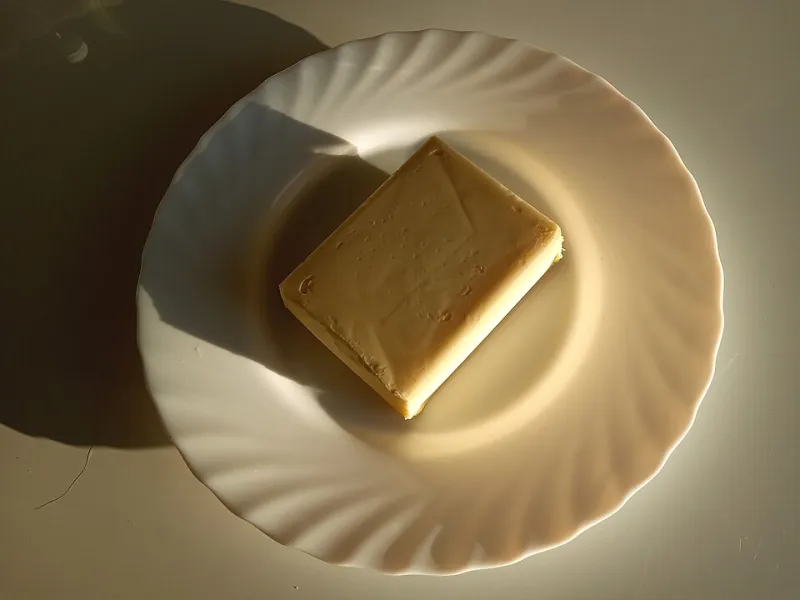
Photo: Salicyna, CC BY-SA 4.0, via Wikimedia Commons
There's a question that comes up at the counter most weeks, usually politely, sometimes not: why does a slice cost that much? It's a fair question, and it deserves a proper answer rather than a shrug. So here it is — not as a defence, and not as a lecture, but as a straight look at what actually goes into the thing you're holding.
The comparison everyone makes
A supermarket will sell you a slice of cake for £1.50. We'll charge somewhere north of three pounds for a traybake and rather more for a proper cake. The gap is real, and it isn't cheek. It's mostly a question of what's inside the thing, and what had to happen to get it onto the counter.
Butter doesn't lie
Start with the fat, because that's where the money goes. A 250g block of actual butter now sits comfortably over £2.50 in most shops, and it isn't getting cheaper. A single round of proper sponge uses most of one block. A celebration cake might use three.
The alternative is a spread or a margarine, which is cheaper and behaves differently in the tin. It doesn't taste of much, it doesn't keep as well, and it gives you a crumb that feels lightweight in a way that's hard to describe and easy to notice. Most small bakeries make the same choice we do, and then spend the rest of their time explaining it.
Eggs from down the road
Cumbrian eggs are not the cheapest eggs in Britain. They are, however, the ones we can name the farm for, and there's a real difference in the yolk — deeper colour, better flavour, and a sponge that holds together. When egg prices spiked, every small bakery in the county had a difficult fortnight. We shortened a couple of recipes rather than swap the supplier, and the cakes were slightly smaller for a season.
Flour, sugar, treacle, cocoa, vanilla and jam all follow the same pattern. Good vanilla costs more than people expect — a proper extract, not a flavouring, is a genuinely expensive ingredient per bottle. It's invisible in the finished cake. You'd only notice if it wasn't there.
The oven doesn't care how many you sell
Here's the part most people never think about. A commercial oven is hot for hours before the first customer arrives and stays hot after the last one leaves. It doesn't scale down because it's a wet Tuesday in November. The electricity, the gas, the standing charge, the insurance, the rent on the shop — all of that is a fixed cost spread across a variable number of cakes.
A big factory spreads those costs across thousands of units a day. A two-oven bakery kitchen in Keswick spreads them across a few hundred a week. That's the whole story of the price difference, more or less, expressed in one sentence.
Paper, boxes, stickers, tape
A cake has to leave the shop in something. Good cake boxes aren't free — a proper rigid box for a celebration cake costs more than you'd guess, and the compostable bags we use cost several times what a thin plastic one would. Add greaseproof liners, cake boards, ribbon, printed stickers and the tape to hold it all together, and you're looking at a meaningful slice of the price before a single ingredient has been weighed.
We keep it simple on purpose. There's a version of this shop that wraps everything in tissue and ribbon and charges accordingly, and it would be lovely, and it would add two pounds to every item. Plain bags, neat boxes, a sticker. That's the compromise we've settled on.
The invisible hours
People see the counter. They don't see the four hours before it opens.
Weighing, lining tins, creaming butter by hand because the mixer is busy, waiting for a bake to cool enough to fill (too soon and the whole thing slides), making the buttercream, washing up — always the washing up — writing the labels, checking the allergen sheet, answering the phone about a birthday order for Saturday, and then realising the fridge has been open since seven.
A single iced celebration cake is a couple of hours of somebody's morning. That's not a complaint, it's just arithmetic that never appears on the label.
A cheap slice and a good slice
None of this means a £1.50 slice is wicked. Sometimes you want a slice of something with a cup of tea and you don't want to think about it, and that's fine. But it is worth knowing what the difference buys you:
- Keeping quality. A butter-rich, properly baked cake is often better on day two. A cheap one is usually at its best in the car park.
- Weight in the hand. Good cake feels denser than it looks.
- A short ingredient list you can read. Flour, butter, sugar, eggs, vanilla, jam. No stabilisers doing work that butter should be doing.
- The ability to ask questions. Try ringing a factory and asking whether the sponge was baked this morning.
What we're not saying
We're not claiming every expensive cake is a good one — price is not a certificate of quality, and there are fancy bakes in this world that are mostly packaging and confidence. A £60 cake that tastes of nothing is a worse buy than a £3 slice that tastes of butter.
And we're not asking anyone to feel guilty about a budget. There are weeks when the right answer is a bag of flour and a Saturday morning at home, and those weeks produce some of the best cake in Cumbria.
What we'd ask is simply this: when you're standing at a counter deciding, compare like with like. Compare a bakery slice to a bakery slice. Then decide whether you want the version that was made this morning by someone whose name you know, in a kitchen ten feet away. Most people, once they've done the sum, decide they do — and if they decide they don't, we'll still wrap it in a decent bag.