Closing Time, Cumbria: The Quiet Journey of a Keswick Counter’s Unsold Bakes
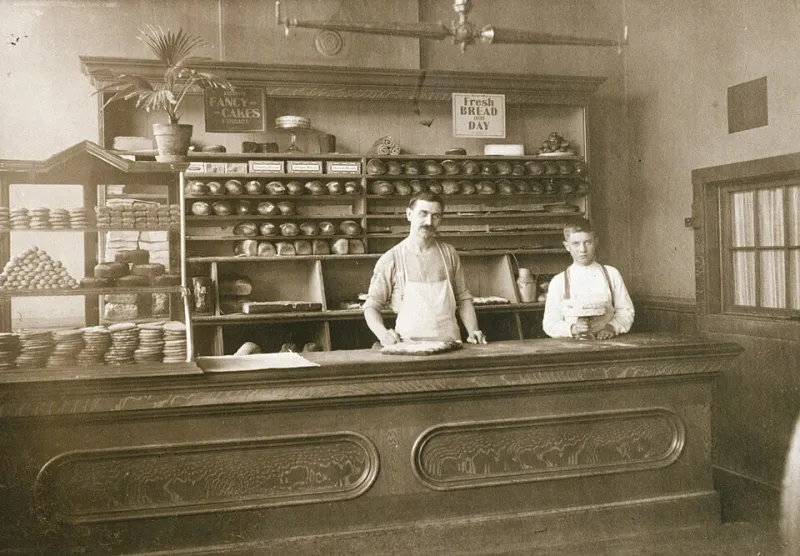
Photo: Unknown, Public domain, via Wikimedia Commons
There is a particular hush that settles over a sweet shop just after the final customer leaves. The door clicks shut, the till sighs, and the last tray comes off the shelf. In Keswick, that tray is rarely empty. There is usually a stray slice of gingerbread, a few squares of fudge that have lost their neat edge, a shortbread finger or two, and perhaps a bun that has been politely overlooked all afternoon. What happens next is not glamorous, but it is one of the most honest parts of running a bakery.
The first sort: keep, share, or call it a day
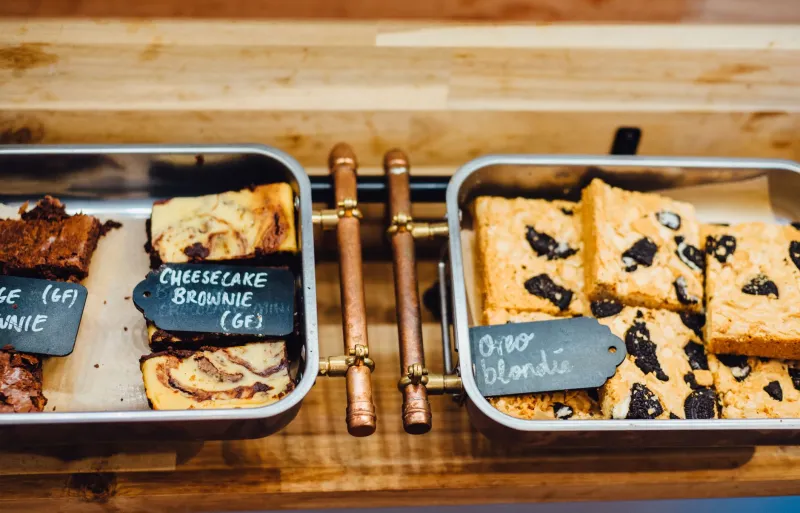
The end-of-day routine begins with a proper look rather than a hopeful squint. Some bakes are firm friends with tomorrow. Shortbread, flapjack, plain biscuits and many traybakes keep well enough to return to the counter in the morning, provided they have been stored properly overnight. Fudge is often even more forgiving, though a warm afternoon can make it sweat in a way that no amount of tissue paper will disguise. Cream-filled cakes, fresh cream slices and anything with soft fruit are a different story. They are day-one treats, and we treat them that way.
So the first sort is not about selling every last crumb. It is about knowing which bakes have another chapter and which have reached their natural ending. The keepers go into clean boxes, labelled with the date and what they are. The maybes get a closer inspection. The noes are set aside for the next part of the routine, which is where a Keswick counter tends to get a little neighbourly.
The shortbread question, and why fudge needs a diary
People often assume that unsold cake is either sold off cheap or thrown out. In reality, the middle ground is where most of the work happens. Shortbread is a good example. A plain, well-baked shortbread will hold its texture overnight and often tastes just as good the next day, especially if it has been kept cool and dry. A decorated biscuit with icing is more fragile; it may still be perfectly pleasant, but it will not look its best on a fresh morning counter. We would rather not pretend otherwise.
Fudge is a useful barometer of the weather as much as the calendar. In a damp November it behaves beautifully. In a warm spell it can soften, so we plan smaller batches and rely on the sort of Cumbrian common sense that says do not make a mountain of fudge on a day when the shop feels like a greenhouse. That is not waste avoidance for its own sake. It is simply better baking: smaller, fresher batches, and a counter that changes with the seasons rather than fighting them.
The neighbourly detour
Once the keepers are boxed, the remaining bakes are not automatically destined for a bin liner. A Keswick sweet counter sees a lot of people, and that means we know a few local causes, lunch clubs and community groups who are always glad of a treat. Nothing past its best goes out, and nothing that has been hanging around unlabelled gets passed on. But a tray of shortbread that is still perfectly good can make a real difference to a church lunch, a volunteers’ tea, or a group of walkers being fed by a local B&B.
The key is to be quiet about it. There is no need to turn a small act of sharing into a parade. We label what we can, keep things chilled where needed, and make the delivery while it is still worth eating. Waste, after all, is not just a bin-liner problem. In a small town, it is a neighbourly one. If a bake can be eaten by someone who will enjoy it, that is a better ending than a scrape into the food waste caddy.
Planning tomorrow from today’s gaps
By the time the counter is wiped down, the last tray has become a set of notes for tomorrow. What sold out early? What lingered? Did the gingerbread disappear by lunchtime while the iced buns sat politely until four? Those gaps are useful. They tell us whether to bake more of one thing and less of another, and they stop us from making the same generous mistake twice.
The final hour of the day is also when visitors sometimes spot a quiet bargain. We do not run a grand sale every afternoon, and we would never pretend that yesterday’s bake is today’s. But if you pop in late — say, in the last hour before closing — you may find a small “last few” shelf or a friendly word about what is best eaten tonight. It is worth asking rather than assuming. A Keswick counter is not a supermarket yellow-sticker aisle, but neither is it precious about a slightly wonky flapjack.
A bin liner is the last resort
When the day is done, the tray goes back to the kitchen and the shutters come down. The bakes that can wait until morning do so. The ones that cannot have been shared, eaten by staff, or composted with a clear conscience. It is not a perfect system, because no system is. But it is a local one, shaped by small batches, changing weather, and the knowledge that a sweet shop in Keswick is part of a town rather than a shelf in a warehouse.
So if you ever wonder what happens to the last tray of the day, the answer is usually this: it gets sorted, stored, shared, and learned from. And then, somewhere between Skiddaw and the shop door, it quietly becomes tomorrow’s bake.